Ingrown Toenails Causes and Podiatric Care

An ingrown toenail, also known as onychocryptosis, occurs when the edge of the toenail grows into the surrounding skin instead of over it. This condition often develops due to wearing tight shoes that place pressure on the toes or from a congenital pincer nail deformity that causes the nail to curve excessively. Common symptoms include pain and tenderness in the corner of the nail fold, along with redness, swelling, and irritation. If left untreated, an ingrown toenail can worsen and increase the risk of infection. A podiatrist can properly diagnose the condition, relieve discomfort, and safely treat the affected nail. If you have persistent toe pain or signs of an ingrown toenail,it is suggested that you schedule a visit with a podiatrist who can offer effective treatment solutions, which may include minor surgery for relief.

Ingrown toenails can become painful if they are not treated properly. For more information about ingrown toenails, contact one of our podiatrists of Canonsburg Podiatry Associates. Our doctors can provide the care you need to keep you pain-free and on your feet.

Ingrown Toenails

Ingrown toenails occur when a toenail grows sideways into the bed of the nail, causing pain, swelling, and possibly infection.

Causes

  • Bacterial infections
  • Improper nail cutting such as cutting it too short or not straight across
  • Trauma to the toe, such as stubbing, which causes the nail to grow back irregularly
  • Ill-fitting shoes that bunch the toes too close together
  • Genetic predisposition

Prevention

Wearing proper fitting shoes and using proper cutting techniques will also help decrease your risk of developing ingrown toenails.

Treatment

Ingrown toenails are a very treatable foot condition. In minor cases, soaking the affected area in salt or antibacterial soaps will not only help with the ingrown nail itself, but also help prevent any infections from occurring. In more severe cases, surgery is an option. In either case, speaking to your podiatrist about this condition will help you get a better understanding of specific treatment options that are right for you.

If you have any questions, please feel free to contact our office located in Canonsburg and McMurray, PA . We offer the newest diagnostic and treatment technologies for all your foot care needs.

Read more about Ingrown Toenails

Preventing Foot Blisters While Hiking

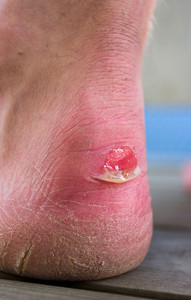
Blisters are small pockets of fluid that form on the skin due to friction, pressure, or moisture, commonly occurring while hiking. They often develop when shoes rub against the foot, especially during long treks or with new or poorly fitting footwear. Preventing blisters begins with choosing the right socks made of moisture-wicking materials, breaking in new shoes gradually, and keeping feet dry throughout the hike. Proper foot care and attention to hotspots can significantly reduce the risk of painful blisters. A podiatrist can evaluate foot structure, recommend suitable hiking footwear, provide protective padding, and offer guidance on prevention strategies tailored to your feet. If you have developed painful blisters on your feet from hiking, it  is suggested that you consult a podiatrist who can treat them, and guide you on effective blister prevention tips.

Blisters are prone to making everyday activities extremely uncomfortable. If your feet are hurting, contact one of our podiatrists of Canonsburg Podiatry Associates. Our doctors can provide the care you need to keep you pain-free and on your feet.

Foot Blisters

Foot blisters develop as a result of constantly wearing tight or ill-fitting footwear. This happens due to the constant rubbing from the shoe, which can often lead to pain.

What Are Foot Blisters?

A foot blister is a small fluid-filled pocket that forms on the upper-most layer of the skin. Blisters are filled with clear fluid and can lead to blood drainage or pus if the area becomes infected.

How Do Blisters Form?

Blisters on the feet are often the result of constant friction of skin and material, usually by shoe rubbing. Walking in sandals, boots, or shoes that don’t fit properly for long periods of time can result in a blister. Having consistent foot moisture and humidity can easily lead to blister formation.

Prevention & Treatment

It is important to properly care for the affected area in order to prevent infection and ease the pain. Do not lance the blister and use a Band-Aid to provide pain relief. Also, be sure to keep your feet dry and wear proper fitting shoes. If you see blood or pus in a blister, seek assistance from a podiatrist.

If you have any questions, please feel free to contact our office located in Canonsburg and McMurray, PA . We offer the newest diagnostic and treatment technologies for all your foot care needs.

Read more about Blisters

Foot Problems in Overweight Women

Being overweight places extra stress on the feet with every step, and women can be especially affected as they get older. Added body weight increases pressure on foot joints, soft tissues, and the heel, which can lead to soreness, stiffness, or swelling. Pain often develops in areas that carry the greatest load, such as the ankles, midfoot, and toes. Wearing shoes with inadequate support, spending long hours standing, and wearing flip-flops can increase strain. Extra body weight can also change gait, causing the arch to flatten and increasing the pull on ligaments and tendons. This can interfere with walking and limit activity, creating a cycle where discomfort makes movement harder. A podiatrist can evaluate the feet, recommend better shoe choices, prescribe orthotics, or discuss additional treatment options. If you are experiencing foot pain linked to your weight, it is suggested that you schedule an appointment with a podiatrist for a diagnosis and safe treatment.

Obesity has become very problematic at this point in time and can have extremely negative effects on the feet. If you’re an obese individual and are concerned about your feet, contact one of our podiatrists from Canonsburg Podiatry Associates. Our doctors can provide the care you need to keep you pain-free and on your feet.

Obesity and Your Feet

Since your feet are what support your entire weight when standing, any additional weight can result in pain and swelling. Being overweight is one of the main contributors to foot complications.

Problems & Complications

Extra Weight – Even putting on just a few extra pounds could create serious complications for your feet. As your weight increases, your balance and body will shift, creating new stresses on your feet. This uneven weight distribution can cause pain, even while doing the simplest tasks, such as walking.

Diabetes – People who are overweight are at serious risk of developing type-2 diabetes, which has a drastic impact on the health of your feet. As you get older, your diabetes might worsen, which could lead to loss of feeling in your feet, sores, and bruises. You could also become more prone to various infections.

Plantar fasciitis – Pressure and stress that is placed on muscles, joints, and tendons can trigger plantar fasciitis, which is an inflammation of tissue that forms along the bottom of the foot. 

If you have any questions, please feel free to contact our office located in Canonsburg and McMurray, PA . We offer the newest diagnostic and treatment technologies for all your foot care needs.

Read more about How Obesity Affects Your Feet

Wounds That Don't Heal Need to Be Checked

Your feet are covered most of the day. If you're diabetic, periodic screening is important for good health. Numbness is often a sign of diabetic foot and can mask a sore or wound.

How Common Are Flat Feet?

Flat feet are common among babies. The arch generally develops at approximately age six, but flat feet can continue in ten percent of children through the teenage years. The noticeable signs your child may have flat feet often include stiff joints, the entire foot lying flat on the floor while standing, and possible pain while participating in sporting activities. There are patients who may develop arthritis from having flat feet, and this may be evident in the middle of the foot. If you have symptoms of flat feet, it is suggested that you are under the care of a podiatrist who can guide you toward proper management.

Flatfoot is a condition many people suffer from. If you have flat feet, contact one of our podiatrists from Canonsburg Podiatry Associates. Our doctors will treat your foot and ankle needs.

What Are Flat Feet?

Flatfoot is a condition in which the arch of the foot is depressed and the sole of the foot is almost completely in contact with the ground. About 20-30% of the population generally has flat feet because their arches never formed during growth.

Conditions & Problems:

Having flat feet makes it difficult to run or walk because of the stress placed on the ankles.

Alignment – The general alignment of your legs can be disrupted, because the ankles move inward which can cause major discomfort.

Knees – If you have complications with your knees, flat feet can be a contributor to arthritis in that area.  

Symptoms

  • Pain around the heel or arch area
  • Trouble standing on the tip toe
  • Swelling around the inside of the ankle
  • Flat look to one or both feet
  • Having your shoes feel uneven when worn

Treatment

If you are experiencing pain and stress on the foot you may weaken the posterior tibial tendon, which runs around the inside of the ankle. 

If you have any questions, please feel free to contact our office located in Canonsburg and McMurray, PA . We offer the newest diagnostic and treatment technologies for all your foot care needs.

Read more about Flatfoot

Connect With Us