Pickleball Injuries Below the Knee

Pickleball has become a popular way for adults to stay active, but the quick starts, sudden stops, and side-to-side movement can place significant stress on the lower body. Foot and ankle injuries are not uncommon, especially in players who return to sports after time away, or increase activity too quickly. Common problems include ankle sprains, tendon strain, heel pain, stress injuries, and irritation in the ball of the foot. Poor footwear, uneven court movement, and limited flexibility may raise the risk. A podiatrist can evaluate pain, swelling, instability, or movement changes to determine the cause and recommend treatment that supports safe recovery. Care may include bracing, custom inserts, targeted exercises, activity modification, or additional imaging, when needed. Addressing symptoms early may help prevent a minor injury from becoming a longer setback. If pickleball is causing foot or ankle pain, it is strongly suggested that you visit a podiatrist.

Sports related foot and ankle injuries require proper treatment before players can go back to their regular routines. For more information, contact one of our podiatrists of Canonsburg Podiatry Associates. Our doctors can provide the care you need to keep you pain-free and on your feet.

Sports Related Foot and Ankle Injuries

Foot and ankle injuries are a common occurrence when it comes to athletes of any sport. While many athletes dismiss the initial aches and pains, the truth is that ignoring potential foot and ankle injuries can lead to serious problems. As athletes continue to place pressure and strain the area further, a mild injury can turn into something as serious as a rupture and may lead to a permanent disability. There are many factors that contribute to sports related foot and ankle injuries, which include failure to warm up properly, not providing support or wearing bad footwear. Common injuries and conditions athletes face, including:

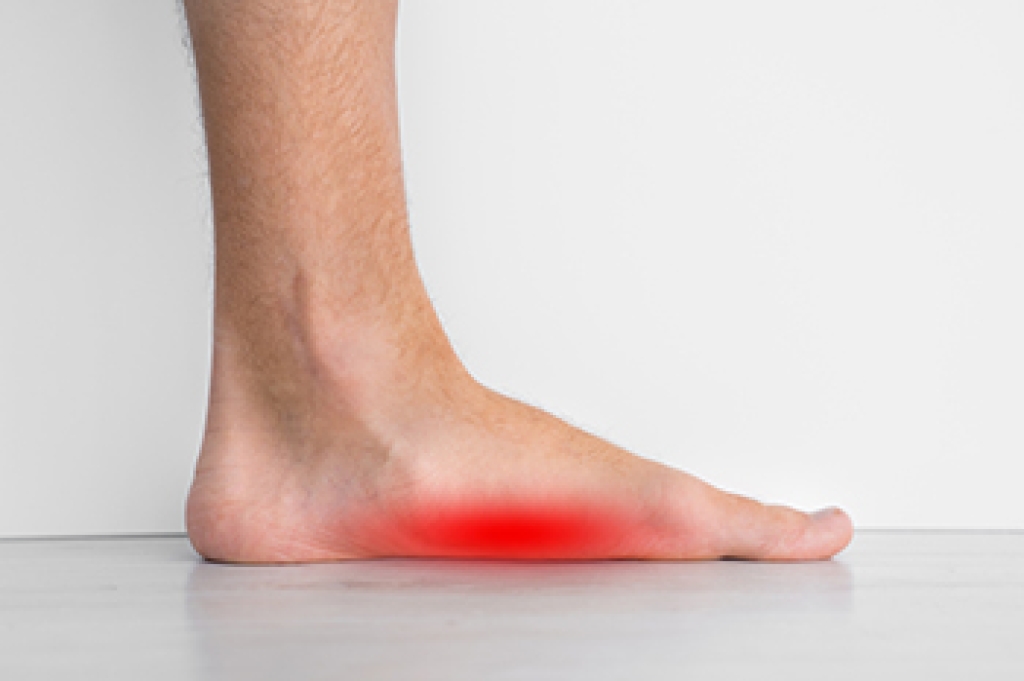
  • Plantar Fasciitis
  • Achilles Tendinitis
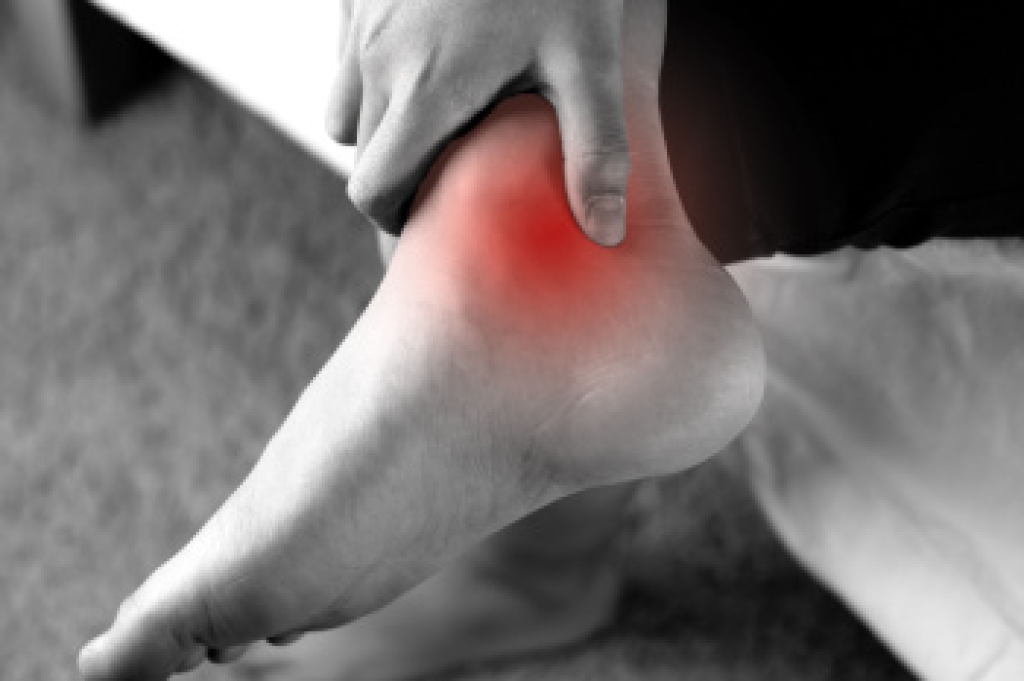
  • Achilles Tendon Rupture
  • Ankle Sprains

Sports related injuries are commonly treated using the RICE method. This includes rest, applying ice to the injured area, compression and elevating the ankle. More serious sprains and injuries may require surgery, which could include arthroscopic and reconstructive surgery. Rehabilitation and therapy may also be required in order to get any recovering athlete to become fully functional again. Any unusual aches and pains an athlete sustains must be evaluated by a licensed, reputable medical professional.

If you have any questions please contact our office located in Canonsburg and McMurray, PA . We offer the newest diagnostic and treatment technologies for all your foot and ankle needs.

Read more about Sports Related Foot and Ankle Injuries

What Tarsal Tunnel Syndrome Feels Like and Why It Develops

Tarsal tunnel syndrome develops when the posterior tibial nerve becomes compressed near the inner ankle. It is similar to carpal tunnel syndrome in the wrist.  The affected nerve plays a key role in sensation and movement within the foot. When pressure builds inside the tarsal tunnel, it disrupts normal nerve function and leads to discomfort. The condition may develop gradually, making it easy to overlook in its early stages. Understanding how it feels and what contributes to it can help individuals seek care at the right time.

Many people with this condition report a burning or tingling sensation that travels along the inside of the ankle into the arch of the foot. Some describe sharp pain that worsens with activity and improves with rest. Others may feel numbness or a pins-and-needles sensation that becomes more noticeable at night. The discomfort can vary in intensity, but it often interferes with walking, standing, or exercise. Over time, the symptoms may become more persistent and difficult to ignore.


The causes of tarsal tunnel syndrome are often related to pressure or structural changes in the foot. Flat feet are a common factor because they alter foot mechanics and increase strain on the nerve. Swelling from injuries, tendon inflammation, or joint conditions can also narrow the tunnel space. Risk factors include obesity, repetitive stress, prolonged standing, and wearing poorly fitting shoes. Certain medical conditions, including diabetes and arthritis, may further increase the likelihood of nerve compression.


Managing this condition requires a clear understanding of its cause and severity. Early treatment may include rest, wearing supportive footwear, and custom orthotics to reduce pressure. In more advanced cases, medical intervention may be necessary to prevent long-term nerve damage. If you have pain in this part of your foot, it is suggested that you consult a podiatrist who can accurately diagnose and treat tarsal tunnel syndrome.

Tarsal tunnel syndrome can be very uncomfortable to live with. If you are experiencing tarsal tunnel syndrome, contact one of our podiatrists of Canonsburg Podiatry Associates. Our doctors can provide the care you need to keep you pain-free and on your feet.

Tarsal Tunnel Syndrome

Tarsal tunnel syndrome, which can also be called tibial nerve dysfunction, is an uncommon condition of misfiring peripheral nerves in the foot. The tibial nerve is the peripheral nerve in the leg responsible for sensation and movement of the foot and calf muscles. In tarsal tunnel syndrome, the tibial nerve is damaged, causing problems with movement and feeling in the foot of the affected leg.

Common Cause of Tarsal Tunnel Syndrome

  • Involves pressure or an injury, direct pressure on the tibial nerve for an extended period of time, sometimes caused by other body structures close by or near the knee.
  • Diseases that damage nerves, including diabetes, may cause tarsal tunnel syndrome.
  • At times, tarsal tunnel syndrome can appear without an obvious cause in some cases.

The Effects of Tarsal Tunnel Syndrome

  • Different sensations, an afflicted person may experience pain, tingling, burning or other unusual sensations in the foot of the affected leg.
  • The foot muscles, toes and ankle become weaker, and curling your toes or flexing your foot can become difficult.
  • If condition worsens, infections and ulcers may develop on the foot that is experiencing the syndrome.

A physical exam of the leg can help identify the presence of tarsal tunnel syndrome. Medical tests, such as a nerve biopsy, are also used to diagnose the condition. Patients may receive physical therapy and prescriptive medication. In extreme cases, some may require surgery.

If you have any questions please contact our office located in Canonsburg and McMurray, PA . We offer the newest diagnostic and treatment technologies for all your foot and ankle needs.

Read more about Treating Tarsal Tunnel Syndrome

Connect With Us