
Causes of Pain in the Big Toe

Pain in the big toe can develop for many reasons and can make standing, walking, and exercising difficult. One common cause is arthritis, which is inflammation of a joint. Arthritis in the big toe can lead to stiffness, swelling, and pain when bending the toe. Another cause is a bunion, a bony bump that forms at the base of the big toe and gradually changes the position of the joint. Bunions can create pressure inside shoes and cause discomfort when walking. Injuries are another source of big toe pain. Stubbing the toe, dropping a heavy object on it, or twisting the joint can damage bones, ligaments, and other soft tissues. Repeated stress from sports and activities like running can also irritate the toe joint and surrounding structures.

An ingrown toenail is another frequent cause of big toe pain. This problem develops when the edge of the nail grows into the surrounding skin. Symptoms include redness, tenderness, and swelling. Tight shoes can increase pressure on the toe and worsen discomfort. Gout is another condition that commonly affects the big toe joint. Gout develops when crystals form inside the joint and trigger sudden inflammation. This can cause severe pain, warmth, and swelling. Pain beneath the big toe can also occur when small bones under the joint become irritated from repeated pressure and strain.

The cause of big toe pain is not always obvious without a thorough examination. A podiatrist can evaluate the toe, examine joint movement, and determine whether the pain is related to injury, inflammation, or a structural problem. X-rays and other imaging tests can help identify the source of pain. Treatment depends on the cause of the pain and the severity of symptoms. If you have big toe pain, it is suggested that you make an appointment with a podiatrist for an exam and diagnosis.

Toe pain can disrupt your daily activities. If you have any concerns, contact one of our podiatrists of Canonsburg Podiatry Associates. Our doctors can provide the care you need to keep you pain-free and on your feet.

What Causes Toe Pain?

Most severe toe pain is caused due to a sports injury, trauma from dropping something heavy on the toe, or bumping into something rigid. Other problems can develop over time for various reasons.

Toe pain can be caused by one or more ailments. The most common include:

  • Trauma
  • Sports injury
  • Wearing shoes that are too tight
  • Arthritis
  • Gout
  • Corns and calluses
  • Hammertoe
  • Bunions
  • Blisters
  • Ingrown toenails
  • Sprains
  • Fractures (broken bones)
  • Dislocations

When to See a Podiatrist

  • Severe pain
  • Persistent pain that lasts more than a week
  • Signs of infection
  • Continued swelling
  • Pain that prevents walking

Diagnosis

In many cases the cause of toe pain is obvious, but in others, a podiatrist may want to use more advanced methods to determine the problem. These can range from simple visual inspections and sensation tests to X-rays and MRI scans. Prior medical history, family medical history, and any recent physical traumatic events will all be taken into consideration for a proper diagnosis.

Treatment

Treatments for toe pain and injuries vary and may include shoe inserts, padding, taping, medicines, injections, and in some cases, surgery. If you believe that you have broken a toe, please see a podiatrist as soon as possible.

If you have any questions please contact our office located in Canonsburg and McMurray, PA . We offer the newest diagnostic and treatment technologies for all your foot and ankle needs.
Read more about Toe Pain

Causes and Symptoms of Onychomycosis

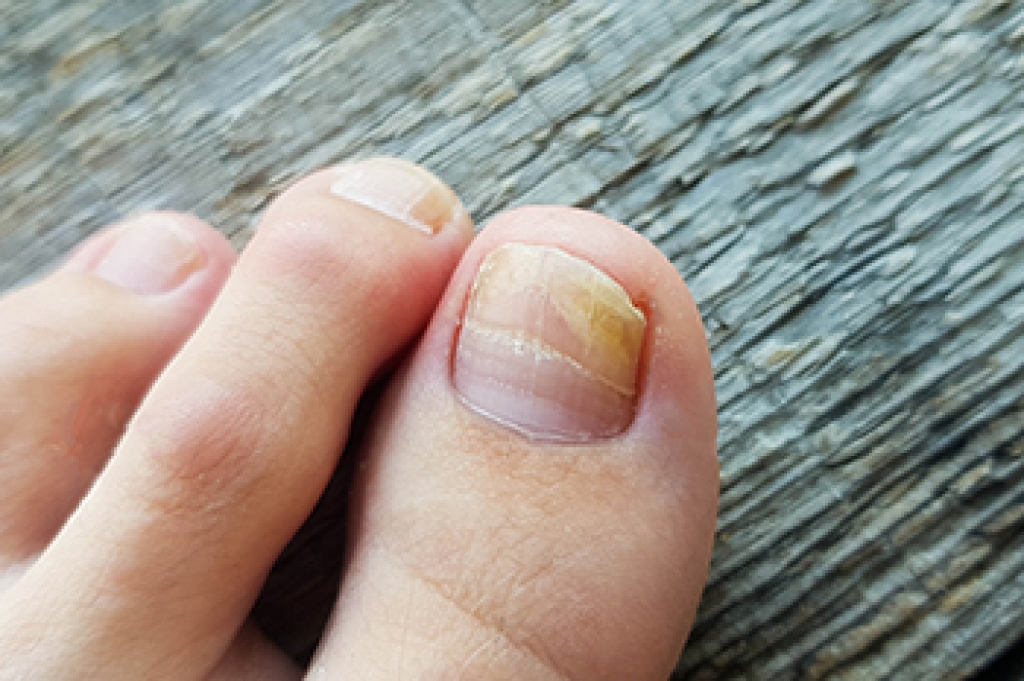
Onychomycosis is a fungal infection that affects the nails, causing them to become discolored, thickened, and brittle. The infection most commonly targets toenails but can also affect fingernails. It occurs when fungi, such as dermatophytes, yeasts, or molds, invade the nail bed and the surrounding tissue. The primary causes of toenail fungus include exposure to warm, damp environments, poor foot hygiene, and wearing tight-fitting shoes that do not allow the feet to breathe. Individuals with weakened immune systems, diabetes, or poor circulation are more prone to developing this condition. Common symptoms of onychomycosis include yellow or white streaks or spots on the nails, thickening of the nail, crumbling at the edges, and a foul odor. If left untreated, the infection can lead to further nail damage and spread to other nails or skin, making early detection and treatment essential. If you have any of the above symptoms, it is strongly suggested that you promptly contact a podiatrist who can effectively treat toenail fungus.

For more information about treatment, contact one of our podiatrists of Canonsburg Podiatry Associates. Our doctors can provide the care you need to keep you pain-free and on your feet.

Toenail Fungus Treatment

Toenail fungus is a condition that affects many people and can be especially hard to get rid of. Fortunately, there are several methods to go about treating and avoiding it.

Antifungals & Deterrence

Oral antifungal medicine has been shown to be effective in many cases. It is important to consult with a podiatrist to determine the proper regiment for you, or potentially explore other options.

Applying foot powder on the feet and shoes helps keep the feet free of moisture and sweat.

Sandals or open toed shoes – Wearing these will allow air movement and help keep feet dry. They also expose your feet to light, which fungus cannot tolerate. Socks with moisture wicking material also help as well.

If you have any questions please contact our office located in Canonsburg and McMurray, PA . We offer the newest diagnostic and treatment technologies for all your foot and ankle needs.
Read more about Treating Toenail Fungus

Various Causes of Heel Pain

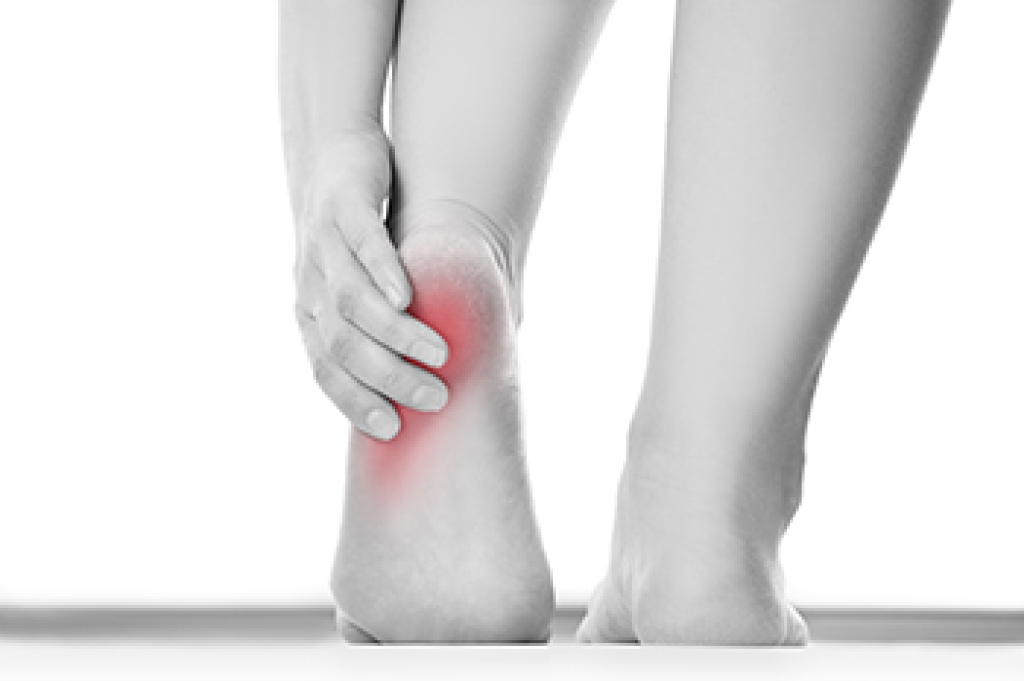
Heel pain develops when the structures supporting the heel become irritated or overworked. Activities such as walking, jumping, and running place constant pressure on the feet, which can lead to inflammation or small tissue injuries over time. It often appears as a sharp or dull ache in the bottom or back of the heel, especially during the first steps in the morning or after rest. Repetitive stress, tight calf muscles, and lack of proper support can all contribute to its development. While stretching may help maintain flexibility in the surrounding muscles, ongoing pain may signal a deeper issue. A podiatrist can evaluate the cause of heel pain, check foot alignment, and recommend targeted treatment options to improve comfort and movement. If you have heel pain, it is suggested that you promptly consult a podiatrist who can determine what the cause is and offer effective relief and treatment solutions.

Many people suffer from bouts of heel pain. For more information, contact one of our podiatrists of Canonsburg Podiatry Associates. Our doctors can provide the care you need to keep you pain-free and on your feet.

Causes of Heel Pain

Heel pain is often associated with plantar fasciitis. The plantar fascia is a band of tissues that extends along the bottom of the foot. A rip or tear in this ligament can cause inflammation of the tissue.

Achilles tendonitis is another cause of heel pain. Inflammation of the Achilles tendon will cause pain from fractures and muscle tearing. Lack of flexibility is also another symptom.

Heel spurs are another cause of pain. When the tissues of the plantar fascia undergo a great deal of stress, it can lead to ligament separation from the heel bone, causing heel spurs.

Why Might Heel Pain Occur?

  • Wearing ill-fitting shoes                
  • Wearing non-supportive shoes
  • Weight change           
  • Excessive running

Treatments

Heel pain should be treated as soon as possible for immediate results. Keeping your feet in a stress-free environment will help. If you suffer from Achilles tendonitis or plantar fasciitis, applying ice will reduce the swelling. Stretching before an exercise like running will help the muscles. Using all these tips will help make heel pain a condition of the past.

If you have any questions, please feel free to contact our office located in Canonsburg and McMurray, PA . We offer the newest diagnostic and treatment technologies for all your foot care needs.

Read more about Heel Pain

Types of Foot Arthritis and What They Mean

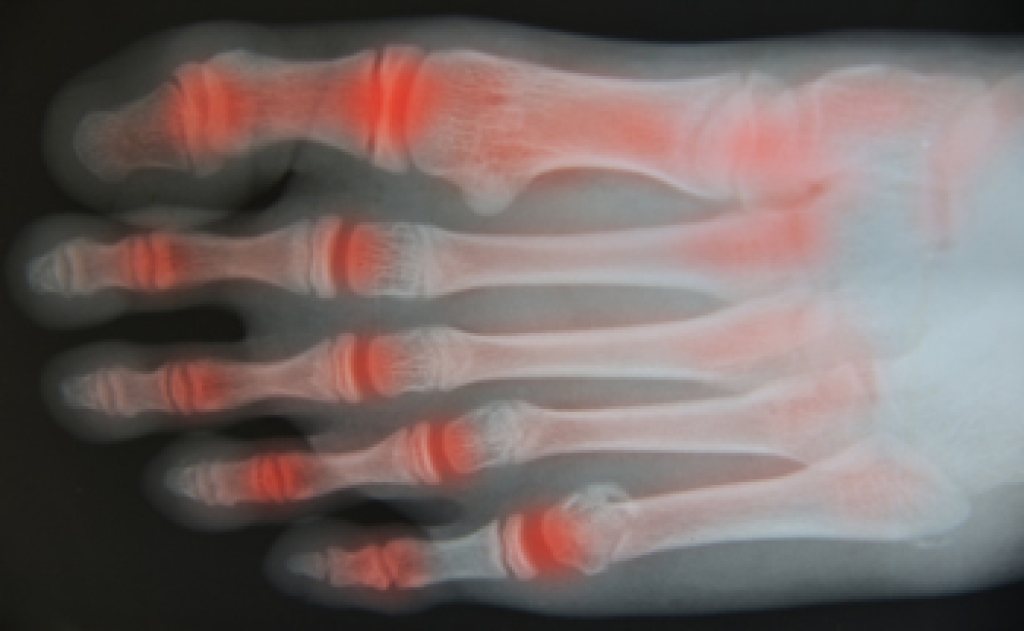
Foot arthritis is a condition that causes inflammation and joint damage in the feet, often leading to pain and limited movement. Osteoarthritis, or OA, develops over time as cartilage wears down, causing stiffness and aching that worsens with activity. Rheumatoid arthritis, or RA, is an autoimmune condition that leads to joint swelling, warmth, and deformity as the immune system attacks healthy tissue. Gout is a form of arthritis caused by a buildup of uric acid crystals, often creating sudden and intense pain, redness, and swelling in the joints. Each type can affect walking and daily comfort in different ways. A podiatrist can diagnose the specific type, provide imaging, and create a treatment plan to protect joint function and reduce pain. If you are experiencing joint pain in your feet,  it is strongly suggested that you consult a podiatrist for proper evaluation and appropriate relief and management solutions.

Arthritis can be a difficult condition to live with. If you are seeking treatment, contact one of our podiatrists from Canonsburg Podiatry Associates. Our doctors can provide the care you need to keep you pain-free and on your feet.

Arthritic Foot Care  

Arthritis is a joint disorder that involves the inflammation of different joints in your body, such as those in your feet. Arthritis is often caused by a degenerative joint disease and causes mild to severe pain in all affected areas. In addition to this, swelling and stiffness in the affected joints can also be a common symptom of arthritis.

In many cases, wearing ill-fitting shoes can worsen the effects and pain of arthritis. Wearing shoes that have a lower heel and extra room can help your feet feel more comfortable. In cases of rheumatoid arthritis, the arch in your foot may become problematic. Buying shoes with proper arch support that contour to your feet can help immensely.

Alleviating Arthritic Pain

  • Exercises that stretch the foot can prevent further pain and injury and increase mobility
  • Most of the pain can be alleviated with anti-inflammatory drugs, heat, and topical medications
  • Massages can help temporarily alleviate pain.

It is best to see your doctor for the treatment that is right for your needs and symptoms. Conditions vary, and a podiatrist can help you determine the right method of care for your feet.

If you have any questions please feel free to contact our office located in Canonsburg and McMurray, PA . We offer the newest diagnostic tools and technology to treat your foot and ankle needs.

Read more about Arthritic Foot Care

Gout Pain Can Be Managed

Gout is a painful, inflammatory form of arthritis. Those affected will typically feel an intense stiffness in the joints of their feet, particularly in the big toe. Schedule a visit to learn about how gout can be managed and treated.

Connect With Us