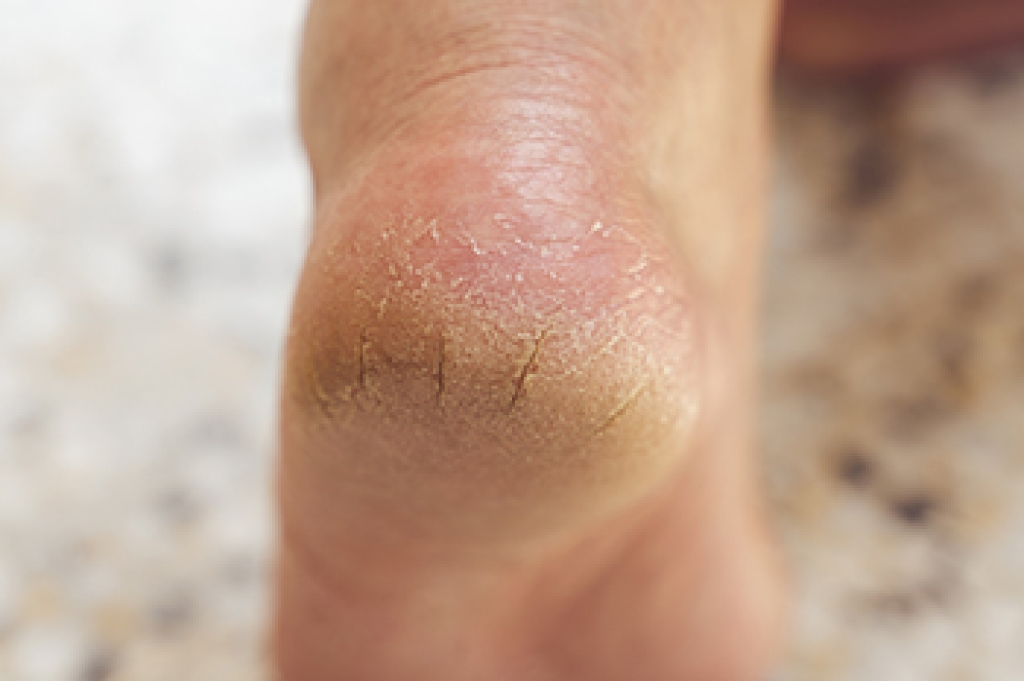
Cracked Heels and Foot Health Care

Cracked heels occur when the skin on the heel becomes dry  and thick, and splits due to pressure and reduced moisture. Common causes include prolonged standing, wearing open back shoes, and lack of proper hydration of the skin. A frequent reason is athlete’s foot, a fungal infection that weakens the skin barrier, leading to peeling and increased risk of fissures. Symptoms include rough texture, flaking, itching, discomfort, and painful cracks that may worsen over time. Risk factors include dry environments, obesity, poor foot hygiene, and wearing unsupportive footwear. A podiatrist can safely remove thickened skin, treat infections, and recommend effective moisturizers and footwear. If you have developed cracked heels, it is suggested that you consult a podiatrist who can accurately treat this condition, which may include prescribed medication.

Cracked heels are unsightly and can cause further damage to your shoes and feet. If you have any concerns, contact one of our podiatrists from Canonsburg Podiatry Associates. Our doctors can provide the care you need to keep you pain-free and on your feet.

Cracked Heels

Cracked heels appear unappealing and can make it harder for you walk around in sandals. Aside from looking unpleasant, cracked heels can also tear stockings, socks, and wear out your shoes. There are several methods to help restore a cracked heel and prevent further damage.

How Do You Get Them?

Dry skin is the number one culprit in creating cracked heels. Many athletes, walkers, joggers, and even swimmers suffer from cracked heels. Age and skin oil production play a role to getting cracked heels as well.

Promote Healing

Over the counter medicines can help, especially for those that need instant relief or who suffer from chronic dry feet.

Wear Socks – Wearing socks with medicated creams helps lock in moisture.

Moisturizers – Applying both day and night will help alleviate dryness which causes cracking.

Pumice Stones – These exfoliate and remove dead skin, which allows for smoother moisturizer application and better absorption into the skin. 

Change in Diet

Eating healthy with a well-balanced diet will give the skin a fresh and radiant look. Your body responds to the kinds of food you ingest. Omega-3 fatty acids and zinc supplements can also revitalize skin tissue.

Most importantly, seek professional help if unsure how to proceed in treating cracked heels. A podiatrist will help you with any questions or information needed. 

If you have any questions, please feel free to contact our office located in Canonsburg and McMurray, PA . We offer the newest diagnostic and treatment technologies for all your foot care needs.


Read more about Solutions for Cracked Heels

Why Proper Shoe Fit Matters for Lifelong Foot Health

Proper shoe fit plays a vital role in maintaining overall foot health and preventing avoidable injuries. Many adults unknowingly wear shoes that are too large, which can lead to blisters, instability, and an increased risk of trips and falls. Shoes that are too small can be equally harmful, contributing to painful conditions such as bunions and hammertoes. Wearing the right shoes for specific activities is essential for support, comfort, and injury prevention. A podiatrist can evaluate foot structure, recommend appropriate footwear, and address existing concerns before they worsen. Taking the time to choose correctly fitted shoes can improve mobility, reduce pain, and support long-term wellness. If you have foot pain from possibly wearing the wrong size shoes, it is suggested that you consult a podiatrist who can treat various foot conditions and guide you on the appropriate shoe size to wear.

It is important to find shoes that fit you properly in order to avoid a variety of different foot problems. For more information about treatment, contact one of our podiatrists from Canonsburg Podiatry Associates. Our doctors will treat your foot and ankle needs.

Proper Shoe Fitting

Shoes have many different functions. They cushion our body weight, protect our feet, and allow us to safely play sports. You should always make sure that the shoes you wear fit you properly in order to avoid injuries and deformities such as: bunions, corns, calluses, hammertoes, plantar fasciitis, stress fractures, and more. It is important to note that although a certain pair of shoes might be a great fit for someone else, that doesn’t mean they will be a great fit for you. This is why you should always try on shoes before buying them to make sure they are worth the investment. Typically, shoes need to be replaced ever six months to one year of regular use.

Tips for Proper Shoe Fitting

  • Select a shoe that is shaped like your foot
  • Don’t buy shoes that fit too tight, expecting them to stretch to fit
  • Make sure there is enough space (3/8” to ½”) for your longest toe at the end of each shoe when you are standing up
  • Walk in the shoes to make sure they fit and feel right
  • Don’t select shoes by the size marked inside the shoe, but by how the shoe fits your foot

The shoes you buy should always feel as good as they look. Shoes that fit properly will last longer, feel better, and improve your way of life each day.

If you have any questions please contact our office located in Canonsburg and McMurray, PA . We offer the newest diagnostic and treatment technologies for all your foot and ankle needs.

Read more about Getting the Right Shoe Size: To Keep Your Feet Happy

Ingrown Toenails on Both Big Toes in Babies

Ingrown toenails can occur even in very young babies. In some infants, both big toenails grow into the surrounding skin, a condition called infantile bilateral ingrown toenails. Parents may notice redness, swelling, or tenderness along the sides of the nail. Sometimes the skin looks puffy or slightly inflamed, and the baby may cry when the toe is touched. This often happens because a baby’s nails are soft and curved, and the skin around them is delicate. Wearing tight socks, pressure, or the natural shape of the nail can cause the edge to press into the skin. In many cases, gentle care such as keeping the feet clean, trimming nails straight across, and avoiding tight footwear can help. However, if the toe becomes very red, swollen, or shows drainage, surgery might be recommended. it is suggested that a podiatrist be consulted to evaluate the toe, ease discomfort, and recommend the safest treatment to keep your baby’s feet healthy.

Ingrown toenails can become painful if they are not treated properly. For more information about ingrown toenails, contact one of our podiatrists of Canonsburg Podiatry Associates. Our doctors can provide the care you need to keep you pain-free and on your feet.

Ingrown Toenails

Ingrown toenails occur when a toenail grows sideways into the bed of the nail, causing pain, swelling, and possibly infection.

Causes

  • Bacterial infections
  • Improper nail cutting such as cutting it too short or not straight across
  • Trauma to the toe, such as stubbing, which causes the nail to grow back irregularly
  • Ill-fitting shoes that bunch the toes too close together
  • Genetic predisposition

Prevention

Wearing proper fitting shoes and using proper cutting techniques will also help decrease your risk of developing ingrown toenails.

Treatment

Ingrown toenails are a very treatable foot condition. In minor cases, soaking the affected area in salt or antibacterial soaps will not only help with the ingrown nail itself, but also help prevent any infections from occurring. In more severe cases, surgery is an option. In either case, speaking to your podiatrist about this condition will help you get a better understanding of specific treatment options that are right for you.

If you have any questions, please feel free to contact our office located in Canonsburg and McMurray, PA . We offer the newest diagnostic and treatment technologies for all your foot care needs.

Read more about Ingrown Toenail Care

Are Bunions Affecting Your Everyday Life?

Have you noticed a bony protrusion on the side of your big toe? If so, you may have developed the foot condition known as a bunion. Don't let bunions interfere with your daily activities.

Rheumatoid Arthritis and Its Impact on Foot Health

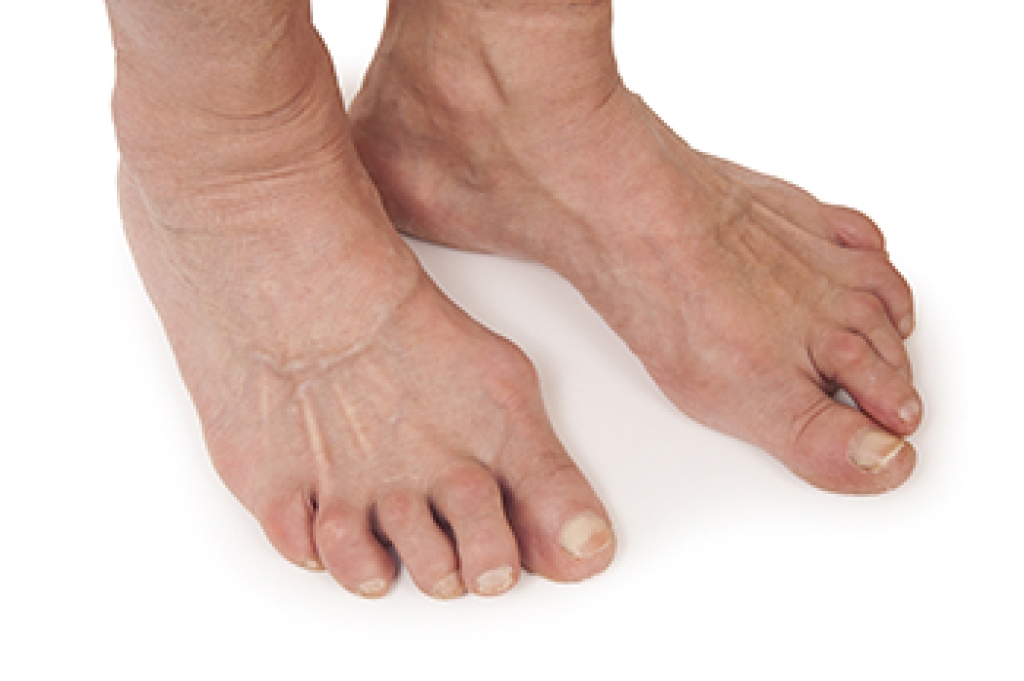
Rheumatoid arthritis is a chronic autoimmune condition that causes inflammation of the joints and surrounding soft tissues. It commonly affects the small joints of the feet, leading to pain, swelling, and progressive deformity. This inflammation can make walking difficult and reduce overall mobility. Risk factors include family history, smoking, and long-term immune system dysfunction. Symptoms often include joint stiffness, especially in the morning, tenderness, swelling, and changes in foot shape over time. A podiatrist can help by assessing foot structure, providing supportive devices, recommending footwear modifications, and managing pain and pressure points. If you have RA, it is suggested that you consult a podiatrist who can help you to manage this condition and maintain mobility.

Because RA affects more than just your joints, including the joints in your feet and ankles, it is important to seek early diagnosis from your podiatrist if you feel like the pain in your feet might be caused by RA. For more information, contact one of our podiatrists of Canonsburg Podiatry Associates. Our doctors will assist you with all of your podiatric concerns.

What Is Rheumatoid Arthritis?

Rheumatoid Arthritis (RA) is an autoimmune disorder in which the body’s own immune system attacks the membranes surrounding the joints. Inflammation of the lining and eventually the destruction of the joint’s cartilage and bone occur, causing severe pain and immobility.

Rheumatoid Arthritis of the Feet

Although RA usually attacks multiple bones and joints throughout the entire body, almost 90 percent of cases result in pain in the foot or ankle area.

Symptoms

  • Swelling and pain in the feet
  • Stiffness in the feet
  • Pain on the ball or sole of feet
  • Joint shift and deformation

Diagnosis

Quick diagnosis of RA in the feet is important so that the podiatrist can treat the area effectively. Your doctor will ask you about your medical history, occupation, and lifestyle to determine the origin of the condition. Rheumatoid Factor tests help to determine if someone is affected by the disease.

If you have any questions, please feel free to contact our office located in Canonsburg and McMurray, PA . We offer the newest diagnostic and treatment technologies for all your foot care needs.
Read more about Rheumatoid Arthritis in the Feet

Connect With Us