When the Bottom of the Foot Sends a Signal

Plantar fasciitis is a common cause of heel pain that occurs when the thick band of tissue along the bottom of the foot becomes inflamed or irritated. It is often caused by overuse, high-impact activity, or wearing improper footwear that places strain on the plantar fascia. Symptoms include sharp or aching pain in the heel, particularly with the first steps in the morning or after sitting for long periods. The foot may look normal, though mild swelling or tenderness can appear along the arch, and it can feel stiff, sore, or sensitive while walking or standing. A podiatrist can help by starting with a thorough examination and sometimes imaging tests to confirm the diagnosis and rule out other conditions. Treatment may include footwear adjustments, custom orthotics, targeted exercises to stretch and strengthen the fascia, and anti-inflammatory care. If you have plantar fasciitis, it is suggested that you schedule an appointment with a podiatrist for appropriate treatment.

Plantar fasciitis is a common foot condition that is often caused by a strain injury. If you are experiencing heel pain or symptoms of plantar fasciitis, contact one of our podiatrists from Canonsburg Podiatry Associates. Our doctors can provide the care you need to keep you pain-free and on your feet.

What Is Plantar Fasciitis?

Plantar fasciitis is one of the most common causes of heel pain. The plantar fascia is a ligament that connects your heel to the front of your foot. When this ligament becomes inflamed, plantar fasciitis is the result. If you have plantar fasciitis you will have a stabbing pain that usually occurs with your first steps in the morning. As the day progresses and you walk around more, this pain will start to disappear, but it will return after long periods of standing or sitting.

What Causes Plantar Fasciitis?

  • Excessive running
  • Having high arches in your feet
  • Other foot issues such as flat feet
  • Pregnancy (due to the sudden weight gain)
  • Being on your feet very often

There are some risk factors that may make you more likely to develop plantar fasciitis compared to others. The condition most commonly affects adults between the ages of 40 and 60. It also tends to affect people who are obese because the extra pounds result in extra stress being placed on the plantar fascia.

Prevention

  • Take good care of your feet – Wear shoes that have good arch support and heel cushioning.
  • Maintain a healthy weight
  • If you are a runner, alternate running with other sports that won’t cause heel pain

There are a variety of treatment options available for plantar fasciitis along with the pain that accompanies it. Additionally, physical therapy is a very important component in the treatment process. It is important that you meet with your podiatrist to determine which treatment option is best for you.

If you have any questions, please feel free to contact our office located in Canonsburg and McMurray, PA . We offer the newest diagnostic and treatment technologies for all your foot care needs.

 

Read more about Plantar Fasciitis

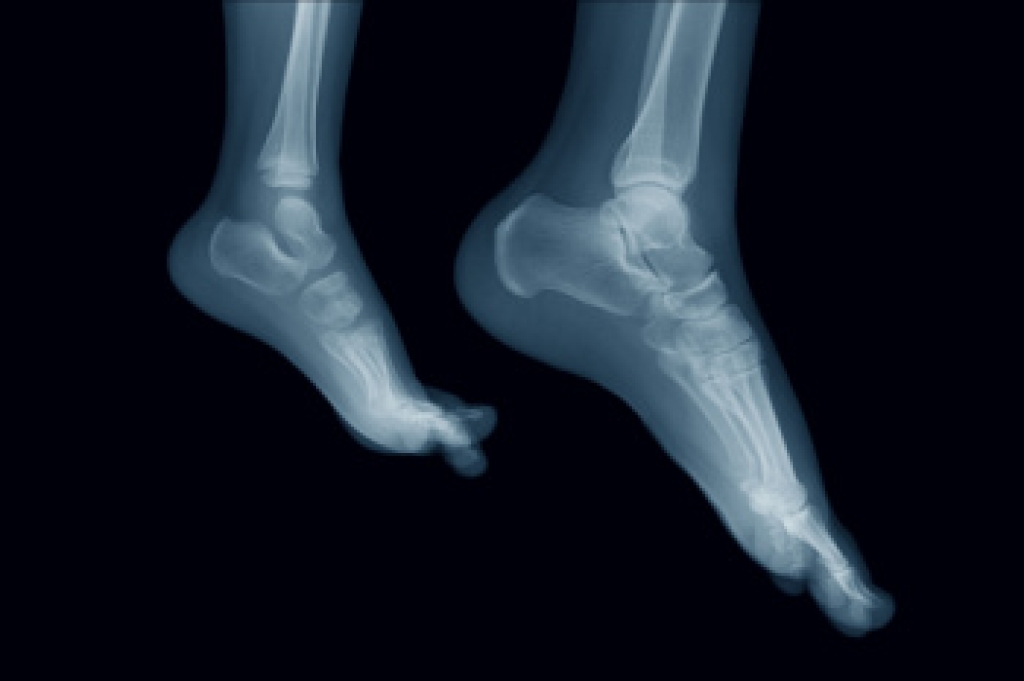
Understanding Imaging Options for Persistent Foot Pain

Persistent foot pain can be difficult to evaluate when symptoms do not clearly point to one cause. Imaging studies help clarify what is happening internally and support accurate care decisions. The process often begins with standard radiographs, which can identify alignment issues, joint changes, arthritis, and signs of repetitive stress. When those images do not fully explain symptoms, advanced imaging may be considered. Magnetic resonance imaging offers detailed views of muscles, tendons, ligaments, and other soft tissues, making it helpful when findings are unclear. Computed tomography provides sharp detail of bone structure and is useful for stress fractures, joint disease, and congenital connections between bones. In certain situations, nuclear imaging or diagnostic ultrasound can further pinpoint inflammation, injury, or altered tissue behavior. If foot pain persists, it is suggested that you see a podiatrist for an accurate diagnosis and appropriate treatment.

Foot Pain

Foot pain can be extremely painful and debilitating. If you have a foot pain, consult with one of our podiatrists from Canonsburg Podiatry Associates. Our doctors will assess your condition and provide you with quality foot and ankle treatment.

Causes

Foot pain is a very broad condition that could be caused by one or more ailments. The most common include:

  • Bunions
  • Hammertoes
  • Plantar Fasciitis
  • Bone Spurs
  • Corns
  • Tarsal Tunnel Syndrome
  • Ingrown Toenails
  • Arthritis (such as Gout, Rheumatoid, and Osteoarthritis)
  • Flat Feet
  • Injury (from stress fractures, broken toe, foot, ankle, Achilles tendon ruptures, and sprains)
  • And more

Diagnosis

To figure out the cause of foot pain, podiatrists utilize several different methods. This can range from simple visual inspections and sensation tests to X-rays and MRI scans. Prior medical history, family medical history, and any recent physical traumatic events will all be taken into consideration for a proper diagnosis.

Treatment

Treatment depends upon the cause of the foot pain. Whether it is resting, staying off the foot, or having surgery; podiatrists have a number of treatment options available for foot pain.

If you have any questions, please feel free to contact our office located in Canonsburg and McMurray, PA . We offer the newest diagnostic and treatment technologies for all your foot care needs.

Read more about Foot Pain

Sever’s Disease and How Early Care Supports Healing

Sever’s disease is a common cause of heel pain in growing children and often appears during growth spurts when the heel bone develops faster than the surrounding soft tissues. Symptoms may include stiffness, tenderness at the back of the heel, limping after activity, and swelling that can make the heel look slightly puffy or irritated. It may feel like a deep ache or sharp discomfort during running and jumping, and the child may avoid weight bearing on the affected side. Causes often relate to repetitive stress from sports, tight calf muscles, or biomechanical issues such as flat feet or high arches. A podiatrist can begin by assessing the child’s gait, examining the heel, and ruling out other conditions. Early diagnosis leads to effective treatment options, such as activity modification, heel cushions, stretching programs, and custom orthotics to reduce strain. Because timely care supports proper healing and comfort, it is suggested that you schedule an appointment with a podiatrist for effective relief tips.

Sever's disease often occurs in children and teens. If your child is experiencing foot or ankle pain, see one of our podiatrists from Canonsburg Podiatry Associates. Our doctors can treat your child’s foot and ankle needs.

Sever’s Disease

Sever’s disease is also known as calcaneal apophysitis, which is a medical condition that causes heel pain I none or both feet. The disease is known to affect children between the ages of 8 and 14.

Sever’s disease occurs when part of the child’s heel known as the growth plate (calcaneal epiphysis) is attached to the Achilles tendon. This area can suffer injury when the muscles and tendons of the growing foot do not keep pace with bone growth. Therefore, the constant pain which one experiences at the back of the heel will make the child unable to put any weight on the heel. The child is then forced to walk on their toes.

Symptoms

Acute pain – Pain associated with Sever’s disease is usually felt in the heel when the child engages in physical activity such as walking, jumping and or running.

Highly active – Children who are very active are among the most susceptible in experiencing Sever’s disease, because of the stress and tension placed on their feet.

If you have any questions, please feel free to contact our office located in Canonsburg and McMurray, PA . We offer the newest diagnostic and treatment technologies for all your foot care needs.

Read more about Sever's Disease

Do Your Child's Feet Hurt?

Have your child's feet been examined lately? Healthy feet are happy feet. If your child is complaining of foot pain, it may be a sign of underlying problems.

Tips for Selecting Running Shoes

Choosing the right running shoe plays an important role in foot comfort and preventing injuries. Start by considering where you run, as road, trail, and treadmill surfaces place different demands on the feet. Proper fit is essential, with enough room in the toe box to prevent pressure on the toes, while still holding the heel securely. Cushioning should match your body weight and running style, because too little may increase impact stress and too much can affect stability. Pay attention to shoe flexibility and how the sole bends, since this influences foot motion. Replacing running shoes is important because worn materials reduce protection for the feet. A podiatrist can evaluate your foot structure, gait, and running habits to recommend features that support movement and reduce strain. If you experience foot pain after running, it is suggested that you make an appointment with a podiatrist for an exam and treatment options.

For more information about walking shoes versus running shoes, consult with one of our podiatrists from Canonsburg Podiatry Associates. Our doctors can measure your feet to determine what your needs are and help you find an appropriate pair of footwear.

Foot Health: The Differences between Walking & Running Shoes

There are great ways to stay in shape: running and walking are two great exercises to a healthy lifestyle. It is important to know that running shoes and walking shoes are not interchangeable. There is a key difference on how the feet hit the ground when someone is running or walking. This is why one should be aware that a shoe is designed differently for each activity.

You may be asking yourself what the real differences are between walking and running shoes and the answers may shock you.

Differences

Walking doesn’t involve as much stress or impact on the feet as running does. However, this doesn’t mean that you should be any less prepared. When you’re walking, you land on your heels and have your foot roll forward. This rolling motion requires additional support to the feet.

Flexibility – Walking shoes are designed to have soft, flexible soles. This allows the walker to push off easily with each step.

If you have any questions, please feel free to contact our office located in Canonsburg and McMurray, PA . We offer the newest diagnostic and treatment technologies for all your foot care needs.

Read more about Walking Shoes vs. Running Shoes

Connect With Us