Peripheral Artery Disease and Foot Health

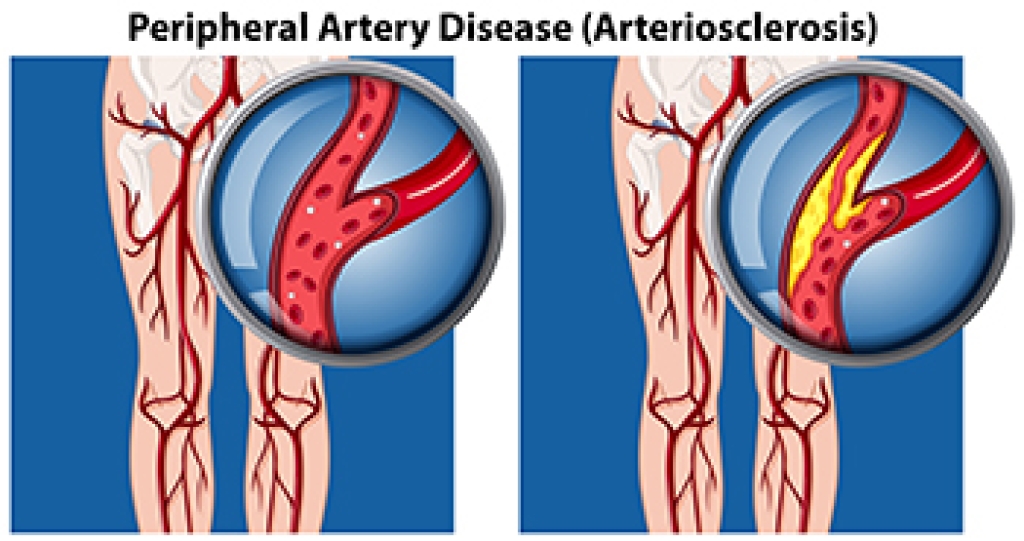
Peripheral artery disease, or PAD, is a condition in which narrowed arteries reduce blood flow to the limbs, especially the feet and legs. It is often caused by plaque buildup that limits circulation. Symptoms include leg pain while walking, cold feet, slow-healing wounds, and skin changes. Risk factors include increasing age, genetic predisposition, smoking, limited physical activity, and chronic stress. Reduced blood flow can lead to serious complications, if left untreated. A podiatrist can identify early signs, monitor circulation, and provide care to protect foot health and prevent tissue damage. If you have symptoms of PAD that affect your feet, it is suggested that you consult a podiatrist who can offer effective relief and management tips.

Peripheral artery disease can pose a serious risk to your health. It can increase the risk of stroke and heart attack. If you have symptoms of peripheral artery disease, consult with one of our podiatrists from Canonsburg Podiatry Associates. Our doctors will assess your condition and provide you with quality foot and ankle treatment.

Peripheral artery disease (PAD) is when arteries are constricted due to plaque (fatty deposits) build-up. This results in less blood flow to the legs and other extremities. The main cause of PAD is atherosclerosis, in which plaque builds up in the arteries.

Symptoms

Symptoms of PAD include:

  • Claudication (leg pain from walking)
  • Numbness in legs
  • Decrease in growth of leg hair and toenails
  • Paleness of the skin
  • Erectile dysfunction
  • Sores and wounds on legs and feet that won’t heal
  • Coldness in one leg

It is important to note that a majority of individuals never show any symptoms of PAD.

Diagnosis

While PAD occurs in the legs and arteries, Podiatrists can diagnose PAD. Podiatrists utilize a test called an ankle-brachial index (ABI). An ABI test compares blood pressure in your arm to you ankle to see if any abnormality occurs. Ultrasound and imaging devices may also be used.

Treatment

Fortunately, lifestyle changes such as maintaining a healthy diet, exercising, managing cholesterol and blood sugar levels, and quitting smoking, can all treat PAD. Medications that prevent clots from occurring can be prescribed. Finally, in some cases, surgery may be recommended.

If you have any questions, please feel free to contact our office located in Canonsburg and McMurray, PA . We offer the newest diagnostic and treatment technologies for all your foot care needs.

Read more about Peripheral Artery Disease

Healthy Feet Matter More With Age

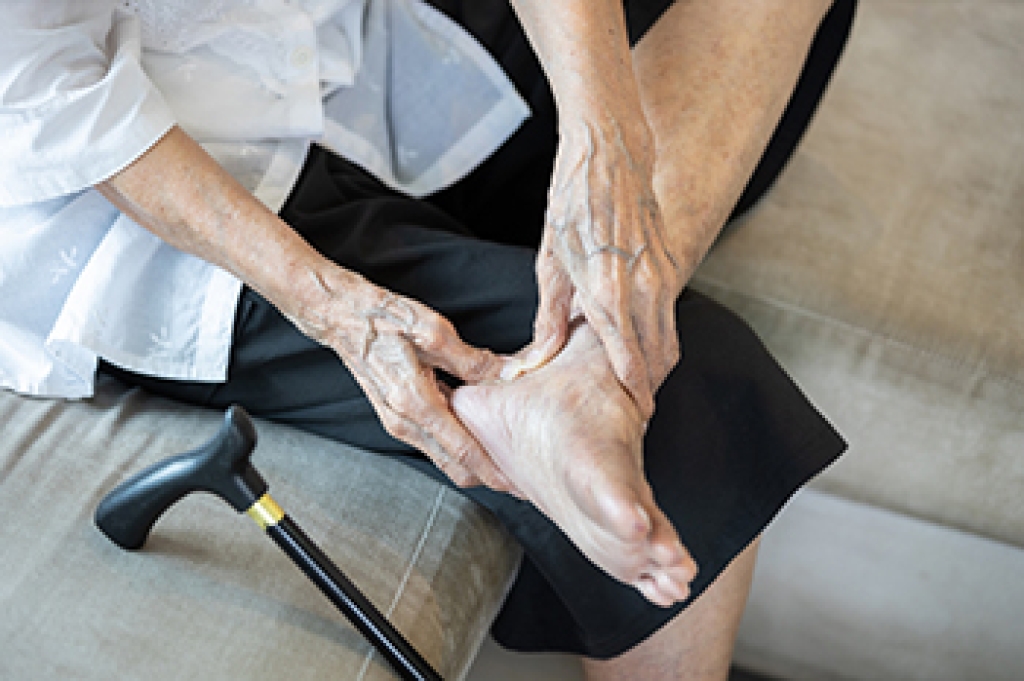
Foot care becomes especially important as people grow older because the skin, joints, and circulation of the feet can change over time. Small problems such as dry skin, thick nails, or poorly fitting shoes can quickly turn into painful conditions if they are not addressed early. Maintaining healthy feet helps support balance, mobility, and independence. One of the most important steps is wearing properly fitting shoes that provide support, cushioning, and enough room for the toes. Shoes that are too tight or worn out can lead to pressure points, blisters, or joint pain. Daily hygiene is also essential. Feet should be washed with mild soap, dried carefully between the toes, and moisturized to prevent cracking skin. Toenails should be trimmed straight across and not cut too short to help avoid ingrown nails. Regular foot checks are helpful for noticing redness, swelling, or skin changes early. If you are experiencing foot discomfort or changes in your feet, it is suggested that you make an appointment with a podiatrist.

Proper foot care is something many older adults forget to consider. If you have any concerns about your feet and ankles, contact one of our podiatrists from Canonsburg Podiatry Associates. Our doctors can provide the care you need to keep you pain-free and on your feet.

The Elderly and Their Feet

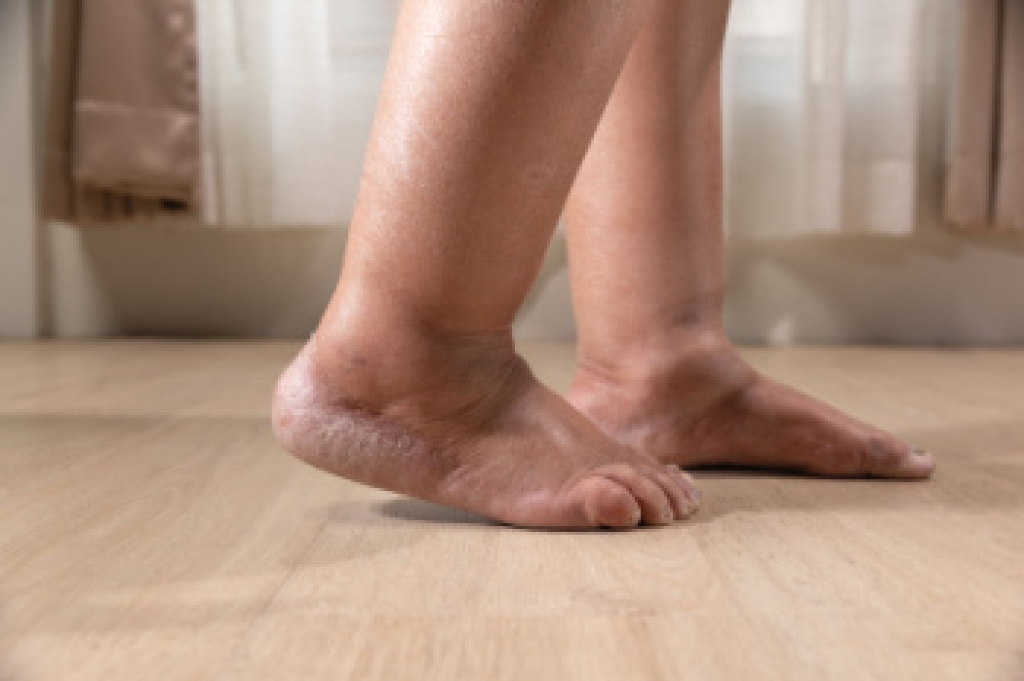
As we age we start to notice many changes in our body, but the elder population may not notice them right away. Medical conditions may prevent the elderly to take notice of their foot health right away. Poor vision is a lead contributor to not taking action for the elderly.

Common Conditions 

  • Neuropathy – can reduce feeling in the feet and can hide many life-threatening medical conditions.
  • Reduced flexibility – prevents the ability of proper toenail trimming, and foot cleaning. If left untreated, it may lead to further medical issues.
  • Foot sores – amongst the older population can be serious before they are discovered. Some of the problematic conditions they may face are:
  • Gouging toenails affecting nearby toe
  • Shoes that don’t fit properly
  • Pressure sores
  • Loss of circulation in legs & feet
  • Edema & swelling of feet and ankles

Susceptible Infections

Diabetes and poor circulation can cause general loss of sensitivity over the years, turning a simple cut into a serious issue.

If you have any questions, please feel free to contact our office located in Canonsburg and McMurray, PA . We offer the newest diagnostic and treatment technologies for all your foot care needs.
Read more about Elderly and their Feet

Preventing Falls in Seniors

Preventing falls in older adults is essential for maintaining independence and overall well-being. Many factors can increase fall risk, including balance and strength changes, vision or hearing loss, and chronic conditions. Medication side effects and foot problems are other factors. Weak muscles and reduced coordination may make walking less stable, while poor vision or hearing can affect awareness of surroundings. Painful foot conditions, improper footwear, and poor foot alignment may also increase the likelihood of losing balance. Risk of falling can increase when several of these concerns occur together. A podiatrist can evaluate foot structure, treat painful conditions, and recommend supportive footwear or custom orthotic devices to improve stability and comfort. If you or a loved one have fallen and are concerned about fall risk, it is suggested that you consult a podiatrist who can treat various foot conditions, and guide you on additional fall prevention techniques.

Preventing falls among the elderly is very important. If you are older and have fallen or fear that you are prone to falling, consult with one of our podiatrists from Canonsburg Podiatry Associates. Our doctors will assess your condition and provide you with quality advice and care.

Every 11 seconds, an elderly American is being treated in an emergency room for a fall related injury. Falls are the leading cause of head and hip injuries for those 65 and older. Due to decreases in strength, balance, senses, and lack of awareness, elderly persons are very susceptible to falling. Thankfully, there are a number of things older persons can do to prevent falls.

How to Prevent Falls

Some effective methods that older persons can do to prevent falls include:

  • Enrolling in strength and balance exercise program to increase balance and strength
  • Periodically having your sight and hearing checked
  • Discuss any medications you have with a doctor to see if it increases the risk of falling
  • Clearing the house of falling hazards and installing devices like grab bars and railings
  • Utilizing a walker or cane
  • Wearing shoes that provide good support and cushioning
  • Talking to family members about falling and increasing awareness

Falling can be a traumatic and embarrassing experience for elderly persons; this can make them less willing to leave the house, and less willing to talk to someone about their fears of falling. Doing such things, however, will increase the likelihood of tripping or losing one’s balance. Knowing the causes of falling and how to prevent them is the best way to mitigate the risk of serious injury.  

If you have any questions, please feel free to contact our office located in Canonsburg and McMurray, PA . We offer the newest diagnostic and treatment technologies for all your foot care needs.

Read more about Falls Prevention

Understanding Charcot Neuroarthropathy and Why Early Care Matters

Charcot neuroarthropathy, or CN,  is a serious foot condition most often seen in people with nerve damage, especially those with diabetes. Because sensation is reduced, small injuries or stress fractures may go unnoticed. Continued walking on an injured foot can trigger inflammation, bone weakening, and joint collapse. The foot may become swollen, warm, red, and unstable, sometimes changing shape over a short period of time. Pain may be mild or absent, which can delay treatment. As the structure of the foot breaks down, pressure increases on certain areas, raising the risk of skin breakdown and ulcers. Early recognition and offloading are critical to slowing progression and protecting the foot. Management may include immobilization, custom bracing, and long-term footwear changes to maintain stability. If you notice unexplained swelling, warmth, or shape changes in your foot, it is suggested that you see a podiatrist promptly for evaluation and appropriate care.

Some foot conditions may require additional professional care. If you have any concerns, contact one of our podiatrists of Canonsburg Podiatry Associates. Our doctors can provide the care you need to keep you pain-free and on your feet.

Rare Foot Conditions

The majority of foot conditions are common and can be treated by a podiatrist.  Standard diagnostic procedures are generally used to identify specific conditions and treatment can be rendered. A podiatrist also treats rare foot conditions which can be difficult to diagnose and may need extra attention and care. 

There are many rare foot conditions that can affect children. Some of these can include:

  • Freiberg’s disease
  • Kohler’s disease
  • Maffucci syndrome

Freiberg’s disease - This can be seen as a deterioration and flattening of a metatarsal bone that exists in the ball of the foot. It typically affects pre-teen and teenage girls, but can affect anyone at any age. Symptoms that can accompany this can be swelling, stiffness, and the patient may limp. 

Kohler’s disease - This often targets the bone in the arch of the foot and affects younger boys. It can lead to an interruption of the blood supply which ultimately can lead to bone deterioration. The patient may limp or experience tenderness, swelling, and redness.

Maffucci syndrome - This affects the long bones in a child’s foot leading to the development of abnormal bone lesions. They are benign growths and typically develop in early childhood and the bones may be susceptible to breaking. 

A podiatrist can properly diagnose and treat all types of rare foot conditions. If your child is affected by any of these symptoms or conditions, please don’t hesitate to call our office so the correct treatment method can begin.

If you have any questions, please feel free to contact our office located in Canonsburg and McMurray, PA . We offer the newest diagnostic and treatment technologies for all your foot care needs.

Read more about Rare Foot Conditions

Why Live with Pain and Numbness in Your Feet?

Suffering from this type of pain? You may have the foot condition known as Morton's neuroma. Morton's neuroma may develop as a result of ill-fitting footwear and existing foot deformities. We can help.

Connect With Us