When Foot Corns Become Painful

Corns are round areas of thick, hardened skin that commonly develop on the toes or soles of the feet. They form when the skin is repeatedly exposed to pressure or rubbing. Tight-fitting shoes are a frequent cause because they can press against the toes. Foot deformities and joint problems may also increase pressure in certain areas, making corns more likely to develop. Unlike a general callus, a corn usually has a clearly defined center of dense, hard skin. Corns can become painful, especially while standing or walking, and may interfere with comfortable movement.


The appearance of a corn can vary depending on where it develops. Corns on exposed areas of the foot are often raised with yellowish-beige hardened skin. Those between the toes may look whitish and feel softer because moisture collects in that area. Continued pressure can cause the hardened tissue to grow deeper, increasing pain and irritation. Corns can sometimes be confused with plantar warts, but they have different features. A corn typically has a visible core, while a plantar wart may have small brownish dots. An accurate diagnosis can help determine the reason for the skin change and guide appropriate care.


A podiatrist can examine corns and identify the pressure or friction contributing to their development. This is especially important for people with diabetes or poor circulation, because they may have a greater risk of injury or healing problems. Professional treatment may include safely reducing thickened skin and addressing pressure with footwear or orthotic support. When a foot deformity contributes to recurring corns, a podiatrist can evaluate the underlying structural problem and recommend suitable treatment. Addressing the source of repeated pressure can help reduce discomfort and recurrence. If a painful or persistent corn is affecting your ability to walk comfortably, it is suggested that you consult a podiatrist for an evaluation and appropriate treatment options.

Corns can make walking very painful and should be treated immediately. If you have questions regarding your feet and ankles, contact one of our podiatrists of Canonsburg Podiatry Associates. Our doctors will treat your foot and ankle needs.

Corns: What Are They? And How Do You Get Rid of Them?
Corns are thickened areas on the skin that can become painful. They are caused by excessive pressure and friction on the skin. Corns press into the deeper layers of the skin and are usually round in shape.

Ways to Prevent Corns
There are many ways to get rid of painful corns such as:

  • Wearing properly fitting shoes that have been measured by a professional
  • Wearing shoes that are not sharply pointed or have high heels
  • Wearing only shoes that offer support

Treating Corns

Although most corns slowly disappear when the friction or pressure stops, this isn’t always the case. Consult with your podiatrist to determine the best treatment option for your case of corns.

If you have any questions, please feel free to contact our office located in Canonsburg and McMurray, PA . We offer the newest diagnostic and treatment technologies for all your foot care needs.

Read more about Understanding Corns and Calluses

Common Causes of Painful Foot Cramps

Foot cramps are sudden, painful muscle contractions that can affect the toes or arches. A cramp may cause muscles to tighten without warning, making movement difficult. Foot cramps can last seconds or several minutes. Occasional cramps may be harmless, but frequent episodes can interfere with walking, exercise, and sleep. Understanding causes can help reduce triggers and protect your feet.

Dehydration is a common cause of foot cramps because fluid loss can affect muscle function. Physical activity may also trigger cramping when muscles become tired or are used more than usual. Wearing wrong footwear can place unusual pressure on the feet and contribute to muscle fatigue. Additionally, pregnancy can increase the likelihood of cramps because the body undergoes physical changes and carries additional weight. Risk factors may include prolonged standing and muscle strain. Paying attention to patterns can help identify triggers.


Symptoms usually include sudden tightening, sharp pain, and temporary difficulty moving the affected foot. A podiatrist can evaluate recurring foot cramps by reviewing your symptoms, activity level, and health history. The examination may assess muscle function, foot structure, and flexibility. A podiatrist may recommend hydration, stretching, or changes to activity. Treatment focuses on the underlying cause and may include physical therapy or orthotics when appropriate. Follow-up care can help determine whether symptoms improve.


You can help reduce foot cramps by drinking enough fluids, choosing properly-fitted shoes, and increasing physical activity. Gentle stretching may help prepare the muscles. If cramps occur frequently, become severe, or continue despite changes, a podiatric evaluation is important. A podiatrist can determine whether another foot problem or health condition contributes to your symptoms. If you have foot cramps, it is suggested that you consult a podiatrist for effective relief and prevention solutions.

Foot Pain

Foot pain can be extremely painful and debilitating. If you have a foot pain, consult with one of our podiatrists from Canonsburg Podiatry Associates. Our doctors will assess your condition and provide you with quality foot and ankle treatment.

Causes

Foot pain is a very broad condition that could be caused by one or more ailments. The most common include:

  • Bunions
  • Hammertoes
  • Plantar Fasciitis
  • Bone Spurs
  • Corns
  • Tarsal Tunnel Syndrome
  • Ingrown Toenails
  • Arthritis (such as Gout, Rheumatoid, and Osteoarthritis)
  • Flat Feet
  • Injury (from stress fractures, broken toe, foot, ankle, Achilles tendon ruptures, and sprains)
  • And more

Diagnosis

To figure out the cause of foot pain, podiatrists utilize several different methods. This can range from simple visual inspections and sensation tests to X-rays and MRI scans. Prior medical history, family medical history, and any recent physical traumatic events will all be taken into consideration for a proper diagnosis.

Treatment

Treatment depends upon the cause of the foot pain. Whether it is resting, staying off the foot, or having surgery; podiatrists have a number of treatment options available for foot pain.

If you have any questions, please feel free to contact our office located in Canonsburg and McMurray, PA . We offer the newest diagnostic and treatment technologies for all your foot care needs.

Read more about Foot Pain

How Diabetes Can Affect Foot Wound Healing

Diabetes affects how the body uses blood sugar. When blood glucose remains too high, it can affect nerves, blood vessels, and the immune system. These changes can make foot wounds harder to notice and slower to heal. Symptoms of diabetes may include increased thirst, frequent urination, or slow-healing cuts. Regular health checks remain important for everyone.

Diabetes can affect wound healing in several ways. High blood sugar can damage nerves, causing numbness that makes a cut or blister difficult to feel. Reduced circulation can limit the oxygen and nutrients needed for tissue repair. Diabetes can also weaken the immune response, making it harder for the body to fight infection. When these problems occur together, a small wound can take longer to heal and may spread into surrounding tissue or even bone.


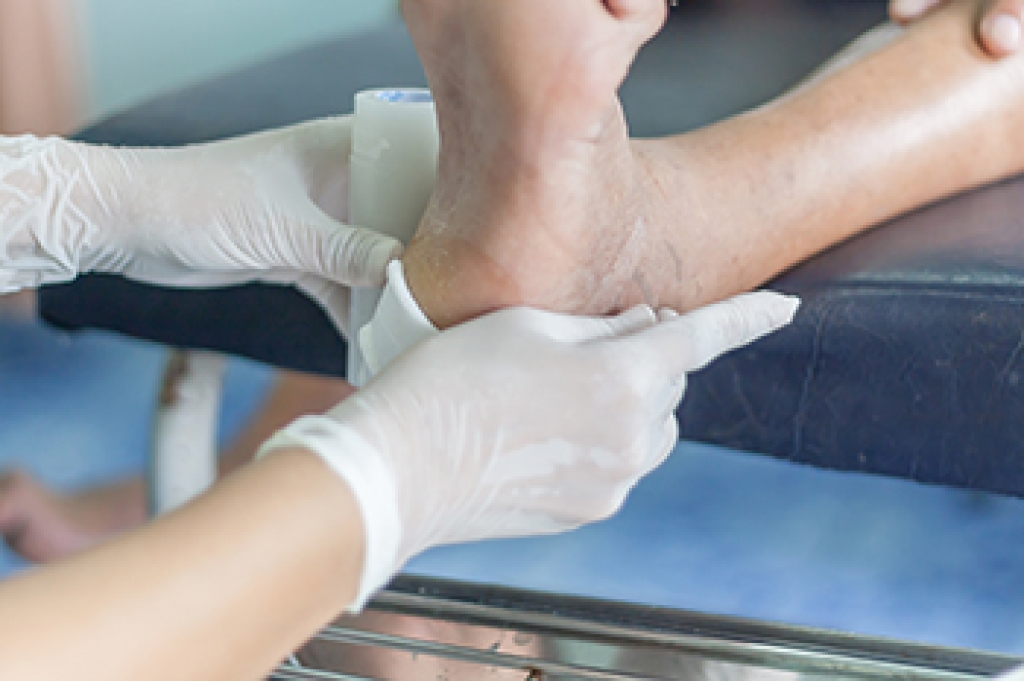
Insulin helps move glucose from the bloodstream into cells where it can be used. When insulin is not produced adequately or the body does not use it effectively, blood sugar can rise. Poor blood sugar control can increase the risk of wound complications. A podiatrist can examine a foot wound, assess circulation and sensation, and check for infection. Treatment may include cleaning and dressing the wound, reducing pressure, and recommending protective footwear.


Protecting a diabetic foot wound requires careful attention. Keep the wound clean and covered as directed, and avoid walking barefoot. Check your feet regularly for redness, swelling, or new skin damage. Seek prompt care if a wound becomes painful, changes appearance, or does not improve. Early podiatric treatment can help reduce complications and support healing. If you have diabetes and have a foot wound, it is strongly suggested that you are under the care of a podiatrist who can help you to manage this serious condition.

Diabetic foot care is important in preventing foot ailments such as ulcers. If you are suffering from diabetes or have any other concerns about your feet, contact one of our podiatrists from Canonsburg Podiatry Associates. Our doctors can provide the care you need to keep you pain-free and on your feet.

Diabetic Foot Care

Diabetes affects millions of people every year. The condition can damage blood vessels in many parts of the body, especially the feet. Because of this, taking care of your feet is essential if you have diabetes, and having a podiatrist help monitor your foot health is highly recommended.

The Importance of Caring for Your Feet

  • Routinely inspect your feet for bruises or sores.
  • Wear socks that fit your feet comfortably.
  • Wear comfortable shoes that provide adequate support.

Patients with diabetes should have their doctor monitor their blood levels, as blood sugar levels play such a huge role in diabetic care. Monitoring these levels on a regular basis is highly advised.

It is always best to inform your healthcare professional of any concerns you may have regarding your feet, especially for diabetic patients. Early treatment and routine foot examinations are keys to maintaining proper health, especially because severe complications can arise if proper treatment is not applied.

If you have any questions, please feel free to contact our office located in Canonsburg and McMurray, PA . We offer the newest diagnostic and treatment technologies for all your foot care needs.

Read more about Diabetic Foot Care

Common Foot Disorders and Podiatrist Care

Bunions, plantar fasciitis, and Morton’s neuroma are frequent causes of foot pain. Each condition affects the foot differently and may develop from pressure, structural concerns, or repeated stress. Recognizing symptoms early can help you seek care before discomfort interferes with walking, exercise, or work. A podiatrist can provide helpful guidance.

A bunion is a prominence that develops at the base of the big toe when the joint moves out of alignment. Symptoms can include swelling, redness, and difficulty wearing shoes. Family history and narrow footwear can increase risk. Plantar fasciitis involves irritation of the plantar fascia, the tissue supporting the bottom of the foot. It commonly causes heel pain that is worse with the first steps after rest. Repetitive activity, tight calf muscles, and unsupportive shoes may contribute.


Morton’s neuroma is a thickening or irritation of tissue around a nerve between the third and fourth toes. Symptoms may include burning pain, tingling, or a feeling that something is inside the shoe. High-heeled or narrow shoes can increase pressure on the forefoot. Activities involving repeated impact can raise risk. Similar symptoms can come from different conditions and require different treatments.


A podiatrist begins by discussing your symptoms, activities, and medical history. A physical examination can identify tenderness, alignment changes, or movement problems. Imaging tests may be recommended to confirm a diagnosis or rule out another condition. Treatment may include wearing supportive footwear, activity changes, or orthotics. If you have foot pain or a known foot disorder, it is suggested that you consult a podiatrist for an accurate diagnosis and appropriate treatment.

Foot Pain

Foot pain can be extremely painful and debilitating. If you have a foot pain, consult with one of our podiatrists from Canonsburg Podiatry Associates. Our doctors will assess your condition and provide you with quality foot and ankle treatment.

Causes

Foot pain is a very broad condition that could be caused by one or more ailments. The most common include:

  • Bunions
  • Hammertoes
  • Plantar Fasciitis
  • Bone Spurs
  • Corns
  • Tarsal Tunnel Syndrome
  • Ingrown Toenails
  • Arthritis (such as Gout, Rheumatoid, and Osteoarthritis)
  • Flat Feet
  • Injury (from stress fractures, broken toe, foot, ankle, Achilles tendon ruptures, and sprains)
  • And more

Diagnosis

To figure out the cause of foot pain, podiatrists utilize several different methods. This can range from simple visual inspections and sensation tests to X-rays and MRI scans. Prior medical history, family medical history, and any recent physical traumatic events will all be taken into consideration for a proper diagnosis.

Treatment

Treatment depends upon the cause of the foot pain. Whether it is resting, staying off the foot, or having surgery; podiatrists have a number of treatment options available for foot pain.

If you have any questions, please feel free to contact our office located in Canonsburg and McMurray, PA . We offer the newest diagnostic and treatment technologies for all your foot care needs.

Read more about Foot Pain

Heel Pain Can Be Treated!

Do you suffer from heel pain when you get up in the morning? If so, you should seek professional help and have a proper diagnosis performed. Heel pain can be caused by several different foot-related conditions.

Connect With Us